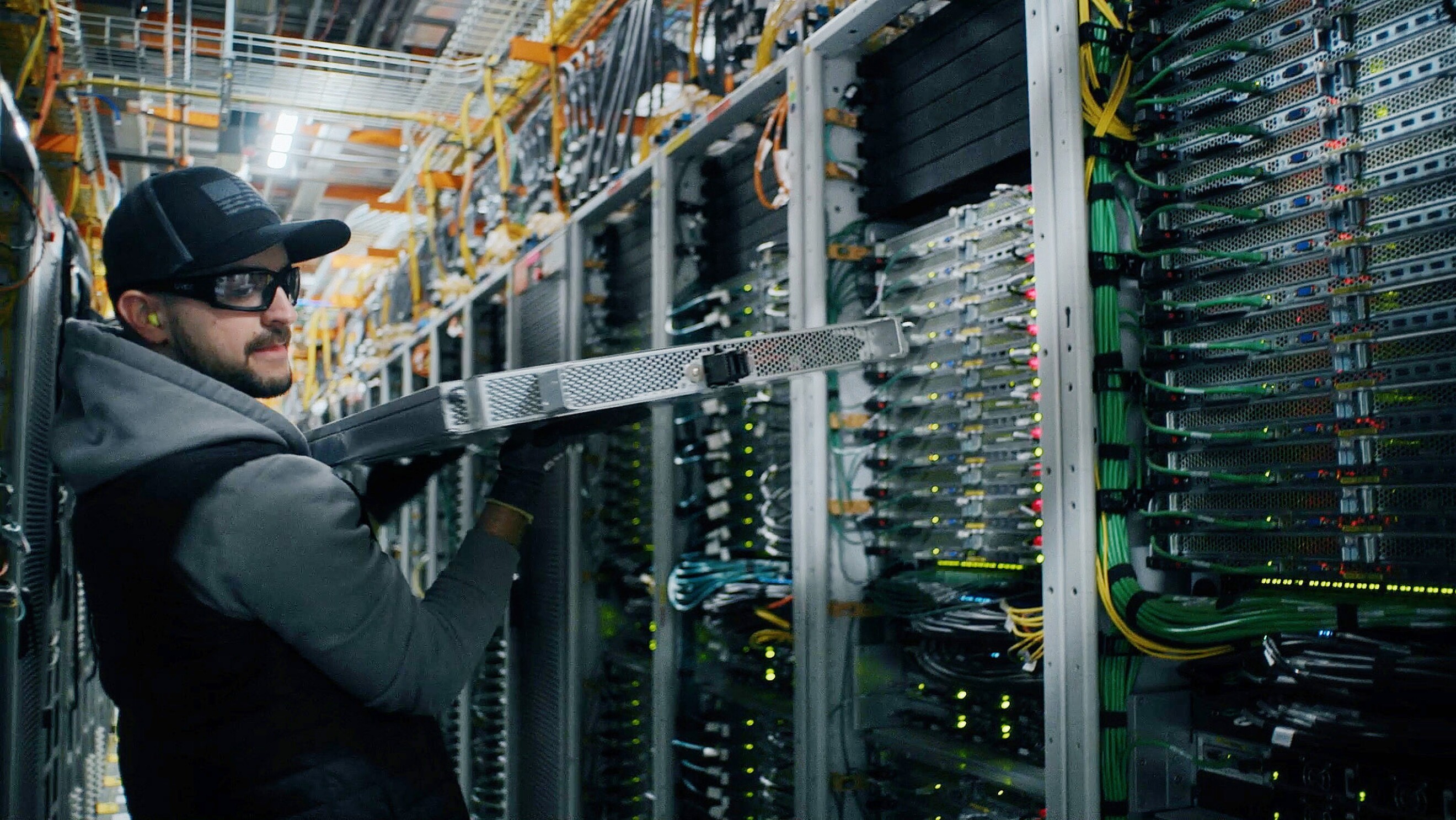
As artificial intelligence, 3D rendering, and cloud workloads explode in demand, traditional data centers alone can no longer keep up. A new category has emerged: GPU marketplaces - platforms that let individuals and businesses rent out their spare GPU power to companies that need compute.
These marketplaces are redefining how compute and storage services are delivered, turning gaming PCs, small GPU farms, and internet cafes into part of a global cloud infrastructure.
This article explores the major GPU marketplaces today, including Render, Aethir, and fast-onboarding alternatives, and how they differ from traditional hosting providers like Cherry Servers.
What Is a GPU Marketplace?
A GPU marketplace is a platform that:
- Connects GPU owners (providers) with developers and startups (buyers)
- Enables renting of GPU compute on demand
- Often uses decentralized or blockchain-based coordination
- Pays providers per task, hour, or workload completed
Instead of massive centralized data centers, compute is supplied by thousands of distributed machines across the world.
1. Render Network
Render Network focuses on GPU compute for:
- 3D rendering
- AI workloads
- Visual effects
- Metaverse and gaming content
Providers connect their GPUs to the Render network and earn tokens for performing rendering tasks.
Strengths:
- Strong brand in Web3 and creative industries
- High demand for GPU workloads
- Token incentives
Challenges:
- Setup and verification process can be slow
- Requires reliable uptime and technical configuration
- Competition from many providers
Best for: creators and operators with dedicated GPU rigs.
2. Aethir
Aethir is positioning itself as a decentralized GPU cloud for:
- AI startups
- Game streaming
- Enterprise workloads
Unlike purely hobbyist networks, Aethir targets large clients and higher reliability.
Strengths:
- Focus on enterprise-grade GPU compute
- Designed for long-term workloads
- High growth potential
Challenges:
- Provider onboarding may be selective
- Infrastructure requirements are higher
- Less open than peer-to-peer marketplaces
Best for: small GPU farms and semi-professional operators.
3. Cherry Servers
Cherry Servers is not a marketplace but a traditional hosting provider offering:
- Bare metal servers
- GPU cloud instances
- Enterprise SLAs
Why it’s harder to join as a provider:
- You must become an official infrastructure partner
- Requires data center compliance
- Long contracts and hardware standards
- Not designed for individuals with a few GPUs
Best for: large infrastructure operators, not small GPU owners.
Fast-Onboarding GPU Marketplaces (Easier to Join)
These platforms are much easier for individuals or small businesses to participate in:
4. Vast.ai
Vast.ai is one of the easiest GPU marketplaces to join.
Features:
- Rent out GPUs directly to users
- Fast approval
- Flexible uptime
- Competitive pricing
- Strong demand for AI training
Best for: beginners with 1–10 GPUs.
5. RunPod
RunPod offers a simplified GPU cloud for AI developers.
Features:
- Containerized workloads
- Stable payments
- Developer-friendly tools
- Easy node onboarding
Best for: technical users who want predictable workloads.
6. Akash Network
Akash is a decentralized cloud marketplace for:
- GPUs
- CPUs
- Storage
- Containers
Strengths:
- Open marketplace model
- Blockchain settlement
- Flexible provider requirements
Best for: operators who want long-term decentralized exposure.
7. Golem Network
Golem is one of the earliest decentralized compute platforms.
Features:
- Rent out compute for scientific and AI tasks
- Peer-to-peer architecture
- Less commercial demand today but growing
Best for: experimental and research compute providers.
8. iExec
iExec focuses on trusted compute and privacy-preserving workloads.
Strengths:
- Security-focused
- Enterprise research use cases
- Specialized workloads
Best for: secure compute niche providers.
9. capa.cloud
capa.cloud is a decentralized GPU marketplace focused on:
- AI workloads
- Rendering
- General-purpose GPU compute
It positions itself as a simpler, more accessible alternative to big cloud providers.
Why it matters:
- Faster onboarding than enterprise hosts
- Designed for small GPU providers
- Marketplace model (supply meets demand directly)
- Targets startups and developers who can’t afford AWS/GCP GPUs
Best for:
- Small GPU operators (1–10 machines)
- Internet cafe / edge compute experiments
- First-time compute providers
Think of capa.cloud as:
“Airbnb for GPUs” (lightweight, community-driven)
10. GPUnity
GPUnity is another decentralized GPU compute network aimed at:
- AI model training
- Scientific compute
- Rendering and batch jobs
Strengths:
- Strong focus on distributed computing
- Community-driven infrastructure
- Token-based incentives
- Lower barrier than enterprise GPU clouds
Challenges:
- Smaller demand pool (for now)
- Still early-stage compared to Render or Vast.ai
- Requires patience for consistent workloads
Best for:
- Experimental providers
- Web3-native compute operators
- People who want early-mover advantage
Which GPU Marketplace Is Best to Start With?
For speed and simplicity:
- Vast.ai
- RunPod
- capa.cloud
For Web3 exposure:
- Render Network
- GPUnity
- Aethir
For enterprise hosting:
- Cherry Servers (hardest entry)
The Future of Compute (5–20 Years)
Data centers will remain relevant, but they will be joined by:
- Edge compute providers (cafes, offices, homes)
- GPU marketplaces
- AI-driven workload routing
- Hybrid cloud + decentralized networks
The future is not one giant cloud - it’s millions of distributed compute nodes.
Outro
GPU marketplaces are transforming the way compute is delivered. From decentralized networks like Render and GPUnity to fast-onboarding platforms like Vast.ai and capa.cloud, these ecosystems are enabling a distributed, flexible, and scalable approach to AI, rendering, and scientific workloads.
As the demand for GPU compute continues to grow, the future will be shaped by millions of distributed nodes supplementing traditional data centers, creating a hybrid landscape of cloud, edge, and peer-to-peer infrastructure. Understanding these marketplaces is key to navigating the rapidly evolving compute economy.