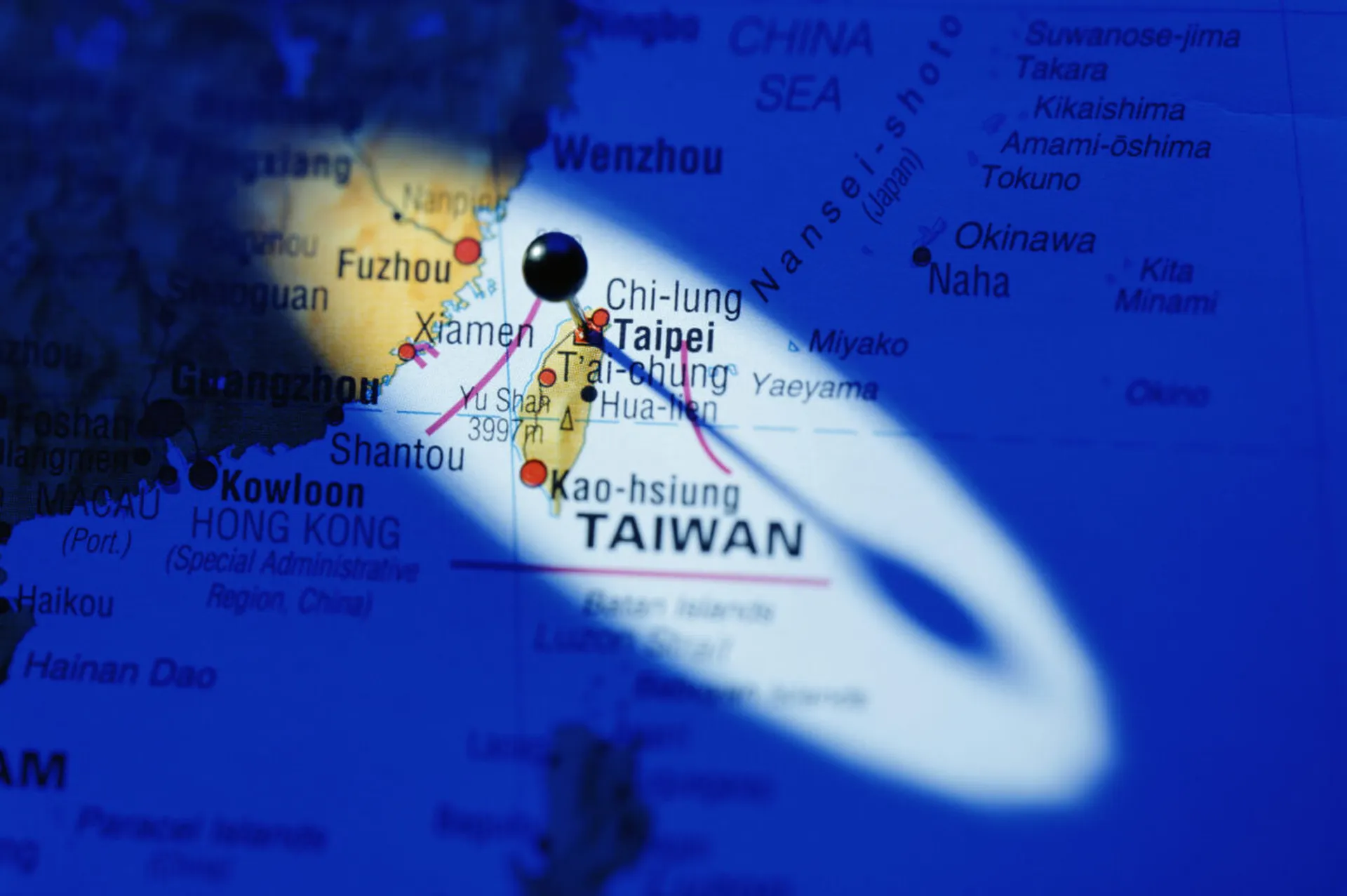
How Millions of Daily Hacking Attempts are Testing Taiwan’s Infrastructure and Defenses
In 2025 - early 2026, Taiwan revealed what may be the most sustained cyber offensive in its history: millions of daily hacking attempts linked to China-based actors, aimed at government systems and critical infrastructure.
This was not a single breach or isolated malware outbreak. It was a persistent pressure campaign, synchronized with military drills and political tensions, signaling that cyberwarfare is now a frontline weapon in the Taiwan Strait conflict.
A Campaign of Scale, Not Subtlety
According to Taiwan’s national security authorities, networks traced to Chinese cyber units were launching an estimated 2-3 million intrusion attempts per day against targets inside Taiwan.
The most heavily targeted sectors included:
- Government ministries
- Energy and power systems
- Hospitals and healthcare networks
- Transportation and communications
- Emergency services
Rather than stealing only intelligence, many attacks appeared designed to:
- Test system defenses
- Map network vulnerabilities
- Create potential disruption capability for future conflict
This mirrors how modern militaries prepare the battlefield, digitally, before anything physical happens.
Timing Matters: Cyber Attacks and Military Drills
One of the most concerning aspects of the campaign was timing.
Several spikes in cyber activity coincided with:
- Chinese military exercises near Taiwan
- Political events involving elections or cross-strait statements
- Diplomatic friction with the United States
This coordination suggests cyber operations are integrated into broader hybrid warfare strategy, alongside:
- Naval and air force maneuvers
- Disinformation campaigns
- Economic pressure
Cyber is no longer separate from geopolitics. It moves in lockstep with it.
Targets: Infrastructure, Not Just Intelligence
Earlier Chinese hacking campaigns focused heavily on espionage - stealing government data, military plans, and semiconductor intellectual property.
This newer wave shifts emphasis toward civilian infrastructure, including:
- Power grids
- Medical systems
- Communications
- Transportation
That signals a dangerous evolution:
In wartime scenarios, these systems would be essential pressure points.
AI and Automation in the Attack Chain
Security researchers also observed Chinese threat actors experimenting with:
- AI-assisted phishing campaigns
- Automated vulnerability scanning
- Smarter social-engineering lures
- Faster exploitation cycles
This suggests future campaigns will be:
- Cheaper
- Faster
- Harder to attribute
- More scalable
Instead of elite hackers doing manual work, operations increasingly resemble industrialized cyber factories.
Why This Matters Globally
This campaign is not only about Taiwan.
It serves as a real-world test case for how a major power could:
- Digitally weaken a rival before conflict
- Normalize constant cyber pressure
- Blend cyber operations with military deterrence
If a conflict ever erupts in the Taiwan Strait, much of the cyber groundwork may already be in place.
Other nations are watching closely, because the same playbook could be used elsewhere.
The New Normal: Permanent Cyber Conflict
The key takeaway is simple:
There is no longer a clear line between peace and war.
Taiwan is experiencing:
- Continuous cyber probing
- Psychological pressure
- Infrastructure targeting
- Information warfare
All without formal declarations of war.
This represents a shift into what analysts call grey-zone conflict - hostile actions that remain below the threshold of open warfare but steadily weaken an opponent.
Outro
China’s latest cyber campaign against Taiwan shows how modern conflict begins long before missiles or troops appear.
The battlefield now includes:
- Servers
- Networks
- hospitals
- power grids
- public trust
Whether or not war ever breaks out, Taiwan is already defending itself every day in cyberspace.
And this campaign offers a glimpse into how future wars may start:
Related: Interstate Cyberwar: The New Frontlines of Global Conflict