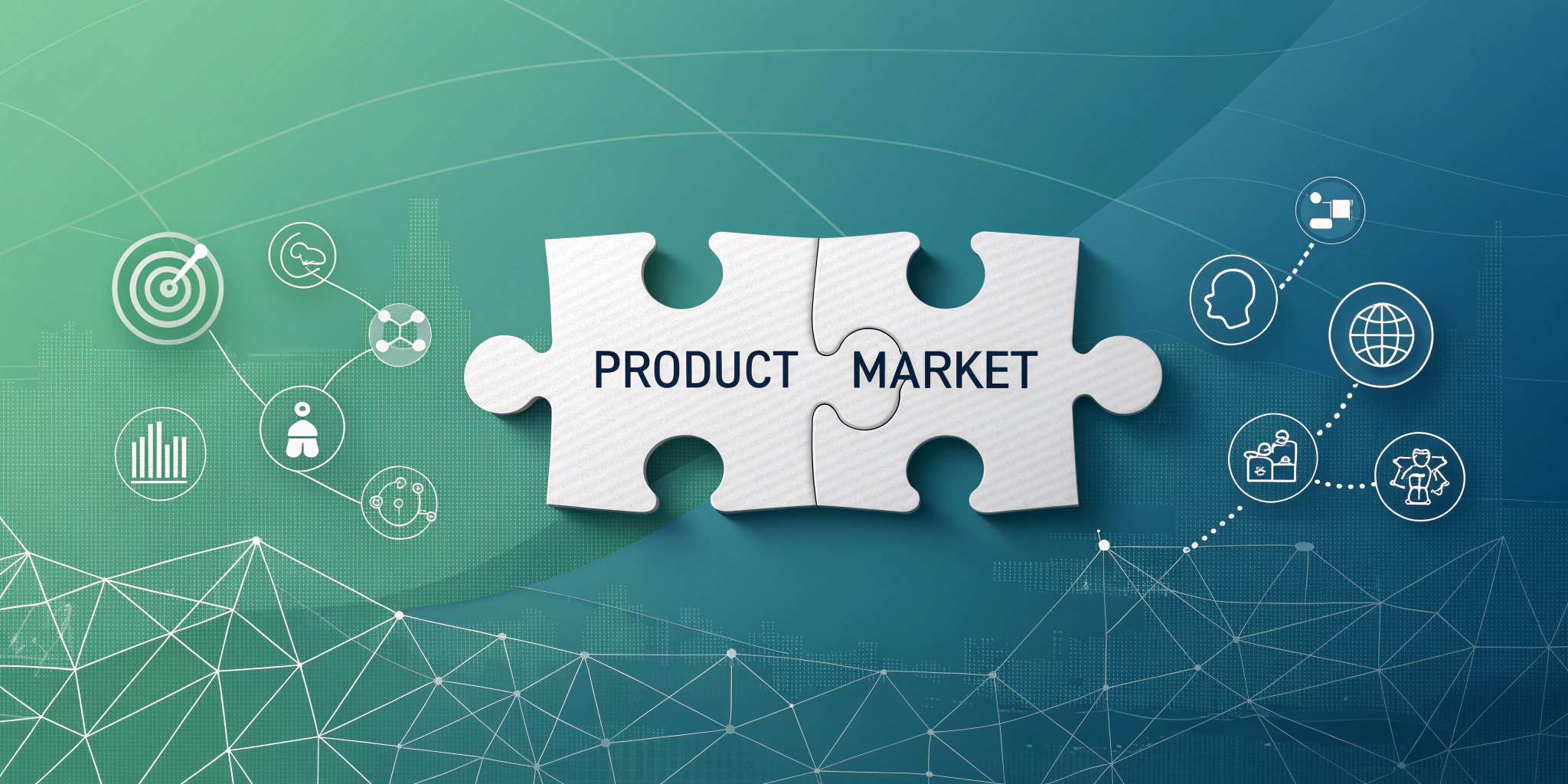
Achieving product-market alignment means creating a product that not only fits the market demands but also solves meaningful, sticky problems users deeply care about. The key is to focus on real, big problems - especially those persistent, "boring" pains that users repeatedly face and urgently want fixed. The formula is simple but powerful: start simple, do one thing really well, and build from there.
Problem-Solution Fit & Unique Value
A compelling product begins with a crystal-clear problem-solution fit. It must directly address the core pain points and offer a unique value proposition that differentiates it from competitors. This uniqueness comes not just from features but from how the product fits into users' daily lives and workflows, solving problems in a way others don’t.
Product-Led Growth: The Engine of Acquisition, Conversion, and Retention
The modern growth engine is product-led: the product itself drives user acquisition, conversion, and retention. How? By delivering immediate value through a seamless, self-service experience that encourages users to onboard quickly, find value fast, and share naturally.
Key elements include:
- Great user experience: Intuitive, user-friendly interfaces and smooth onboarding eliminate friction.
- Free trials and freemium models: Let users experience value upfront with minimal commitment.
- Viral features and data unlocks: Encourage sharing and network effects that accelerate organic growth.
- Cloud-based delivery: No downloads or sign-ups necessary to reduce barriers.
Addiction & Habit Loops: Building Dependency through Desirability Operations
To achieve stickiness, embed the product into users’ habit loops - a cycle of cue, routine, and reward:
- Cue: Notifications or prompts that remind users to return (e.g., Instagram’s push notifications).
- Routine: The user’s action inside the app or product.
- Reward: Immediate gratification, such as likes, comments, or valuable content.
By targeting niche power users, products can foster deep emotional and practical dependence, turning casual users into passionate advocates. This is the essence of creating a "parasol relation" where users feel the product is indispensable.
Usability, User-Centric Design & Customer Journey
Focus relentlessly on usability and design. The product must be user-centric, meeting the actual needs and workflows of customers. Analyze the customer journey and behavior to continuously optimize touchpoints for frictionless interactions. Support forums, feedback loops, and usability testing reveal pain points and guide improvements.
Innovation, Agility & Continuous Improvement
Technology and user expectations evolve rapidly. To stay aligned with market demands, adopt an agile development approach with DevOps and continuous delivery. This enables fast iteration, rapid feature releases, and constant refinement based on real user data.
Scalability & Operational Excellence
Growth isn’t just about users; it’s about handling them efficiently:
- Prioritize low-hanging money opportunities - the fastest path to cash flow.
- Use digital platforms to automate content delivery and reduce manual work.
- Ensure content is SEO-friendly for organic discovery and evergreen relevance.
- Continuously collect user feedback and data to improve the product and content over time.
In Summary
Great products solve sticky, meaningful problems simply and elegantly. They grow organically by embedding themselves in users’ habits and delivering immediate, delightful value. Success lies in a relentless focus on product-led growth, user-centric design, and scalable operations that keep the product aligned with customer needs and market demands.
Stay tuned for more articles like this and don't forget to become a member of the GamblerClub community so you can see all exclusive content.