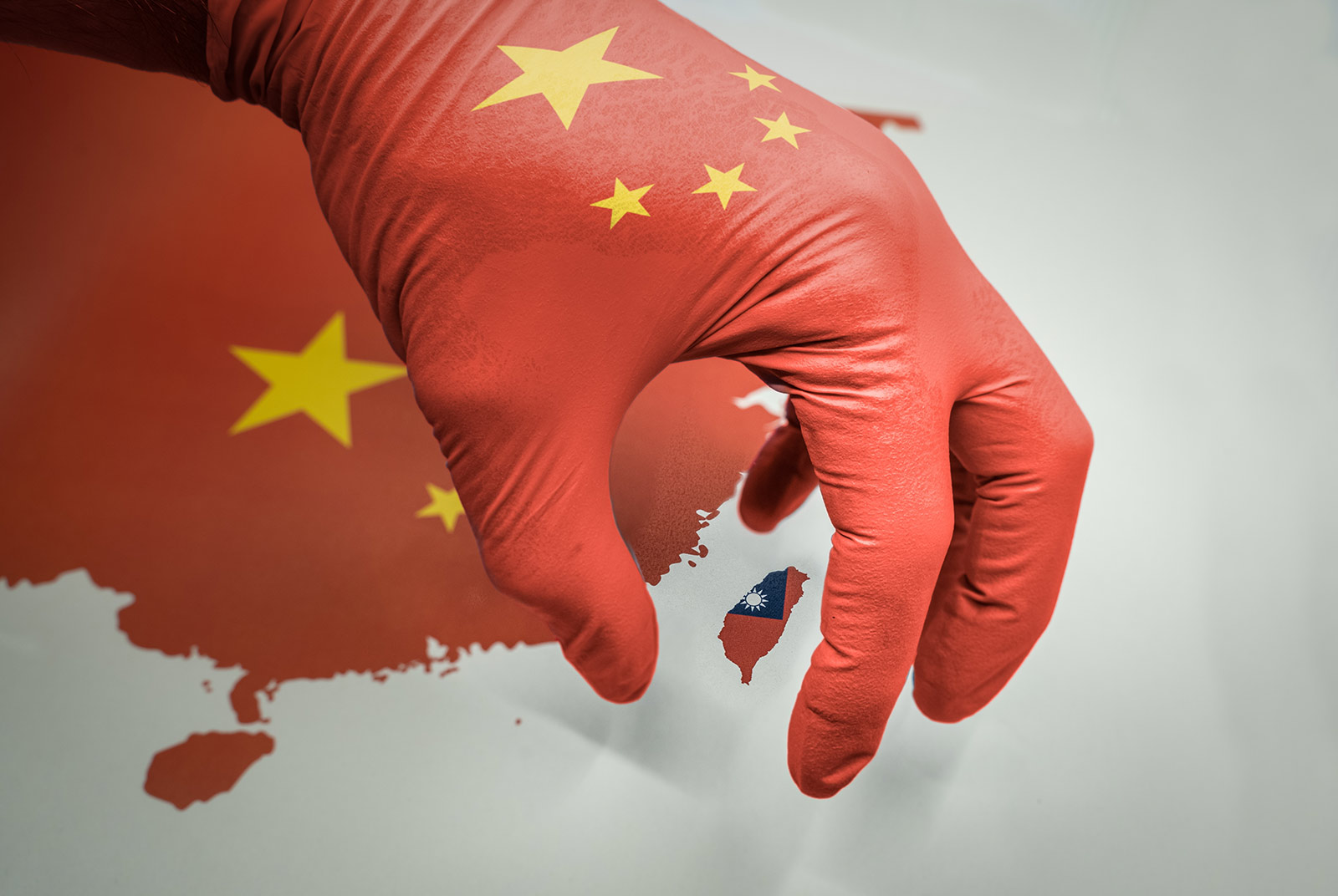
If China moves on Taiwan, it likely won’t start with bombs. It will start with pressure: shipping delays, cyber disruptions, and quiet trade restrictions. Nothing dramatic, just enough to shake confidence and slow the system.
Even limited interference could freeze Taiwan’s chip exports. Since Taiwan makes most of the world’s advanced semiconductors, the impact would hit fast - AI hardware, cloud services, and global tech production would stall. Markets would react long before governments spoke.
Cyber chaos would mean targeted attacks on banks, ports, power grids, logistics networks, and data systems - creating outages, delays, and misinformation that make it impossible to know what is really happening. The goal wouldn’t be destruction, but confusion.
Economic pressure would follow, and that’s where countries are forced to choose sides. Any nation or company that depends on Chinese trade, factories, or consumers could face quiet retaliation for supporting Taiwan, while those who stay silent are rewarded with access and stability. Neutrality becomes too expensive.
Stocks would drop, led by tech and semiconductors. Defense, energy, and cybersecurity would rise. Crypto would fall, then rebound as capital looks for exits. Commodities would spike. The dollar and yen would strengthen while Asian currencies weaken.
China may never fire a shot. But control over trade, data, and confidence can change the world just as effectively as war.
What other dirty tricks do you think will China do to "Non-invade" Taiwan?

Taiwan imports nearly all of its energy, making it vulnerable to supply shocks.
China could apply pressure on oil, gas, or key fuel supply chains via trade or shipping routes, creating short-term spikes in energy costs or uncertainty.
Similarly, pressure on critical infrastructure like ports, telecoms, or logistics (legally or via cyber influence) could ripple into economic disruption.

Taiwan have media free, yes, but people can put false news, many story on internet.
This make people scared, angry, no trust government. Country weak inside, no fight need.

China can increase customs inspections on Taiwan-bound ships or declare more military exercise zones that ships must avoid. These delays raw materials and exports, raises costs, signals risk to global markets, and creates panic without firing a shot.

ah so thats why theyre trying to grab as many islands and atolls near the philippines. damn the long game just to invade taiwan, crazy
China can create gradual economic strangulation and pressure on Taiwanese expoerters by using temporary health/safety rules, new cert requirements, delayed customs approvals, and informal pressure on chinese firms not to buy from Taiwan

china’s cyber disruptions would likely focus on causing confusion and loss of trust rather than permanent damage, targeting banks, ports, power grids, logistics networks, and government data systems to trigger financial panic, delay trade, disrupt electricity and transportation, and undermine confidence in institutions. these attacks would be deniable and framed as technical failures or criminal hacks, creating widespread uncertainty and economic pressure without crossing the threshold of open military conflict.
is it true that iranian and russian hackers help them too?
China could attempt to freeze Taiwan’s chip exports indirectly by disrupting the systems that make semiconductor trade reliable rather than by physically seizing factories. This would include pressuring shipping routes and insurers, creating regulatory or legal obstacles to contracts, and using cyber or logistical disruptions against suppliers, ports, and production scheduling. The aim would be to make deliveries unpredictable and to portray Taiwan as an unstable source of chips, without openly declaring a blockade or attack.
Strategically, this would hurt Taiwan’s economy while also sending shockwaves through global tech supply chains, forcing companies to reconsider dependence on Taiwanese fabs. At the same time, China would try to keep these actions ambiguous and incremental to avoid triggering immediate military retaliation, using economic and technical pressure to weaken confidence in Taiwan’s role as the world’s most reliable semiconductor exporter.

fo shizzle
China could indirectly influence Taiwan’s labor market by offering higher pay, benefits, or visas to skilled Taiwanese workers, especially in high-tech, semiconductors, or AI. This could accelerate brain drain, weaken critical industries, raise domestic labor costs, and slow innovation. Combined with economic uncertainty or geopolitical risk, such incentives make migration more attractive. This approach doesn’t require military or legal coercion; it leverages market incentives and cross-strait economic ties to create structural pressure on Taiwan’s economy and social confidence.
Taiwan’s banks and financial institutions are modern and globally integrated but vulnerable to confidence shocks.China could influence markets indirectly for ex. spreading fear of defaults, manipulating trade flows, or using Chinese investors to create volatility.
even rumors or selective investment freezes can affect exchange rates, foreign capital inflows, and consumer sentimen
Taiwan dominates semiconductors, but it depends on imports of raw materials, chemicals, and specialized tools. China could tighten export controls on upstream materials, making production more expensive or slower, creating domestic frustration, and giving leverage in negotiations.