China’s Quiet Advantage
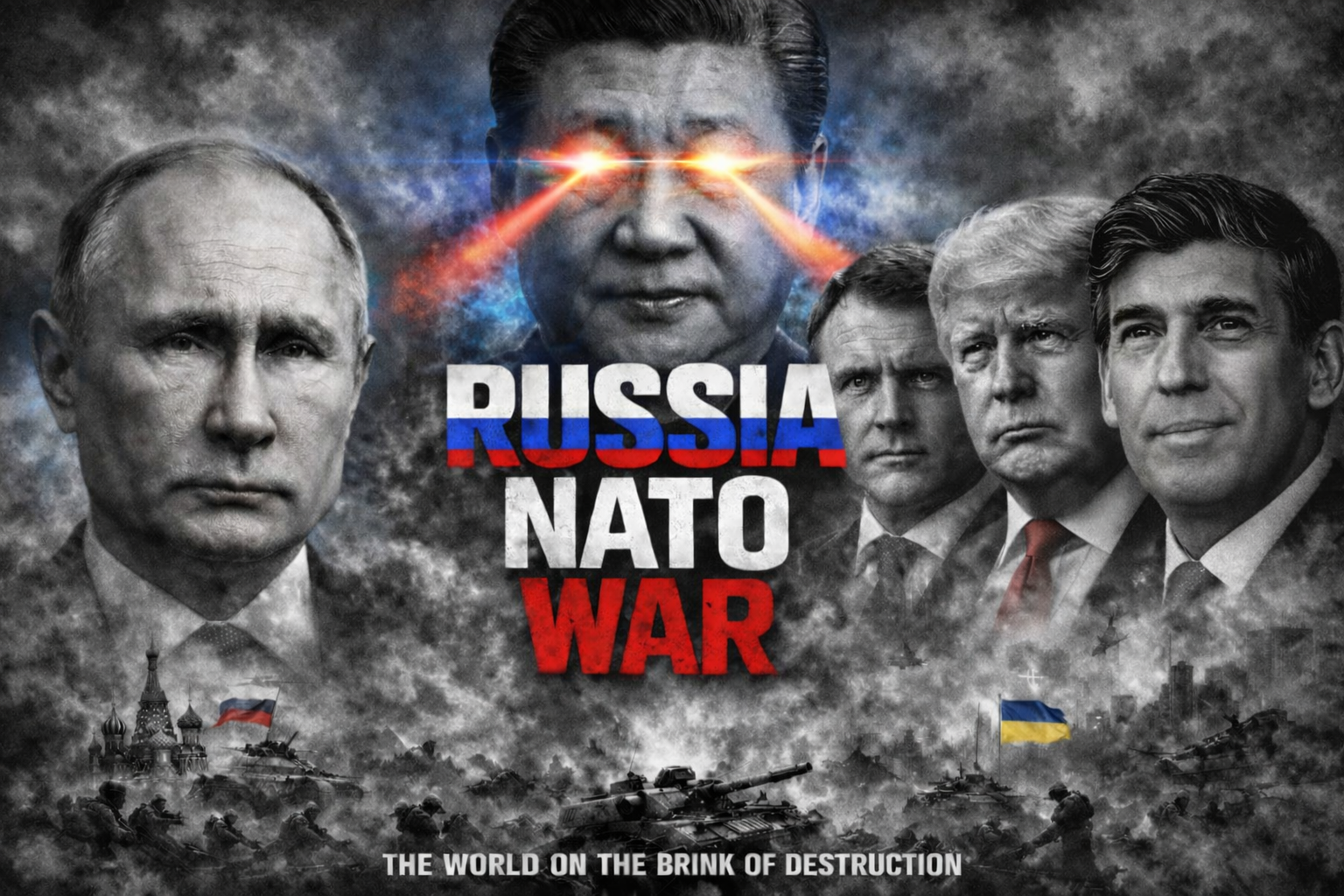
Amid rising global uncertainty, one of the most compelling strategic paradoxes is China’s position regarding a potential NATO-Russia conflict. Beijing stands to gain enormously if the West and Moscow exhaust each other in a protracted war, yet it has no incentive to directly provoke hostilities. While NATO and Russia might drain each other’s military and economic resources, China could quietly expand its influence in the South China Sea, strengthen ties with a dependent Russia, and increase its sway over global trade and emerging markets. The key advantage: China benefits as a bystander, avoiding the immense risks of direct confrontation while capitalizing on the instability of its rivals.
Strategy Without Engagement
China’s strategy exemplifies a broader pattern in international relations: opportunistic restraint. Rather than acting as the arsonist, China positions itself as the tactician, carefully observing potential openings. Military exercises near Taiwan, strategic partnerships, and economic leverage are tools to strengthen its hand without triggering a catastrophic response. This approach allows China to control the timing of its moves, turning the chaos of great-power conflicts into an opportunity for calculated expansion.
The High-Stakes Balance of Profit and Risk
Yet this advantage comes with a delicate balance. Any misstep, or an unexpected escalation of NATO-Russia tensions, could draw China in, either through forced alliances or miscalculation. The current global order is a high-stakes chessboard, where indirect gains may outweigh direct engagement - but only for those patient enough to wait. In this sense, China’s position is both powerful and precarious: it profits from the world’s most dangerous games without ever having to throw the first punch.
If a major conflict between Russia and NATO reshapes global power, how should countries best position themselves strategically?

Bruh, silver and gold are at all time highs.👀

The single most likely trigger for Poland to attack Russia is a direct Russian strike on Polish territory that kills civilians or soldiers, such as a missile, drone, or troop incursion clearly attributable to Russia. Such an attack would violate Polish sovereignty, activate NATO’s Article 5, and force Poland to respond militarily, likely alongside NATO, whereas incidents in Ukraine or cyberattacks alone would not provoke a direct Polish strike.

after china, iran benefits the most from a russia x nato war: western attention would shift away from the middle east, giving iran freedom to expand its regional influence in iraq, syria, lebanon, and yemen
higher oil prices would boost its revenue, and closer military cooperation with russia would increase its strategic leverage
secondary beneficiaries would include turkey, india, and saudi arabia, who gain influence, cheap energy, or profits from market disruptions

so tubby, all hell breaks loose then?

okay so which country do you think wants to trigger a russia nato war ?
Ukraine is the second most likely source of an escalation trigger, not because it wants a world war, but because it seeks maximum NATO involvement against Russia. As Ukraine intensifies strikes near NATO borders, the risk of spillover increases, whether through misfired air defenses, drones crossing borders, or Russian retaliation landing on NATO territory.
The most plausible trigger would be an attack or counterattack that crosses into a NATO country and forces Article 5 discussions. Ukraine aims to increase pressure on Russia, not provoke nuclear war, but escalation can easily overshoot its original intentions.
The #1 most likely source of escalation trigger are Russian war freak factions.
will china invade taiwan if nato goes to war against russia ???
If NATO goes to war with Russia, China would face its biggest strategic opportunity to act on Taiwan, since US forces and attention would be tied up in Europe, but an immediate invasion is unlikely because it would be extremely risky militarily and economically. More likely, China would escalate pressure through blockades, military exercises, airspace violations, and cyberattacks, testing US resolve while gauging Taiwan’s defenses, with the probability of full-scale invasion rising only if it calculates that the US Pacific response is too weak or distracted.