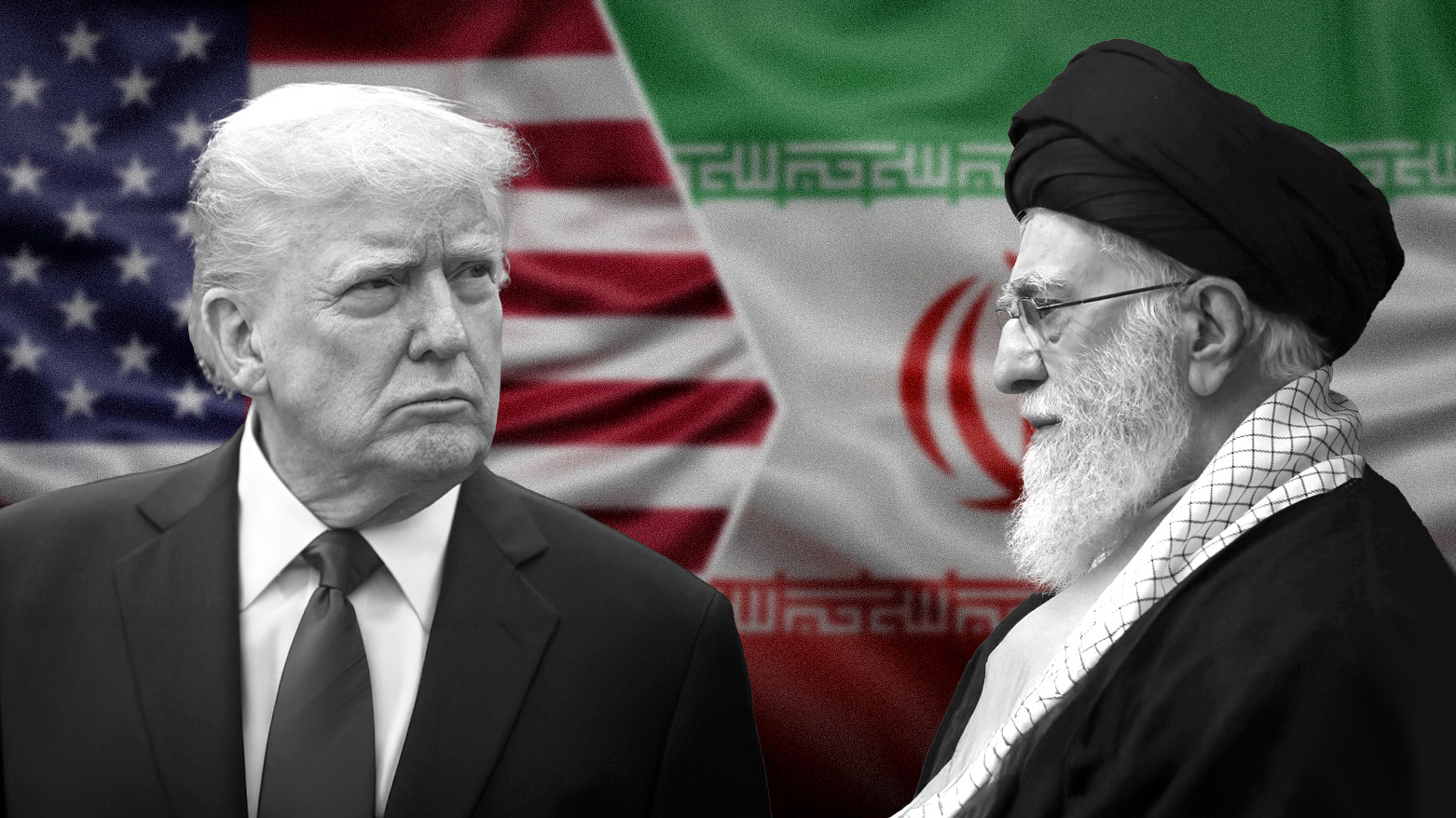
Today, US and Iranian officials meet in Oman to discuss the future of Iran’s nuclear program.
The United States’ primary goal is clear: prevent Iran from developing a nuclear weapon. To achieve this, Iran would need to cap uranium enrichment well below weapons-grade levels, limit its stockpiles, and allow comprehensive inspections by the International Atomic Energy Agency (IAEA). Advanced centrifuge development may also be restricted, and sanctions relief could be offered in exchange for strict compliance.
The broader US agenda may include regional security concerns, though Iran has pushed to focus strictly on nuclear issues.
The outcome of these talks could reshape Middle East security and global non-proliferation efforts. Do you think the US and Iran will reach an agreement? How confident are you (Low/Medium/High Confidence), and what is your reasoning?

Yes, an agreement will happen.
Confidence: High
Reasoning: Both sides need stability right now: the U.S. wants to avoid another Middle East crisis, and Iran needs sanctions relief to fix its economy. Mutual pressure makes compromise likely.
Confidence: Medium
Short-term deal now, breakdown later.Reason: They’ll agree just to cool tensions, but without trust, enforcement will fail over time and the deal will eventually unravel.

external players will decide the outcome because israel, gulf states, russia, and china all influence the situation and a regional incident or pressure from allies could derail or force a deal regardless of what iran and america want
confidence medium

Iran will stall while advancing its program.
Confidence - high
Reason: Negotiations buy time. Iran can gain leverage while appearing cooperative, forcing the US to keep talking.

No deal! politics will block it. Confidence: High
the reason: hardliners on both sides benefit from confrontation. Any agreement risks backlash domestically, making leaders unwilling to appear weak. OKAY???

A partial agreement is the most likely outcome, with both sides settling on limits to uranium enrichment and expanded inspections while deliberately sidestepping more sensitive issues such as missile development and regional proxy groups. This would create a temporary cooling of tensions rather than a comprehensive or lasting resolution, making the deal more of a short-term stabilizing measure than a final settlement.