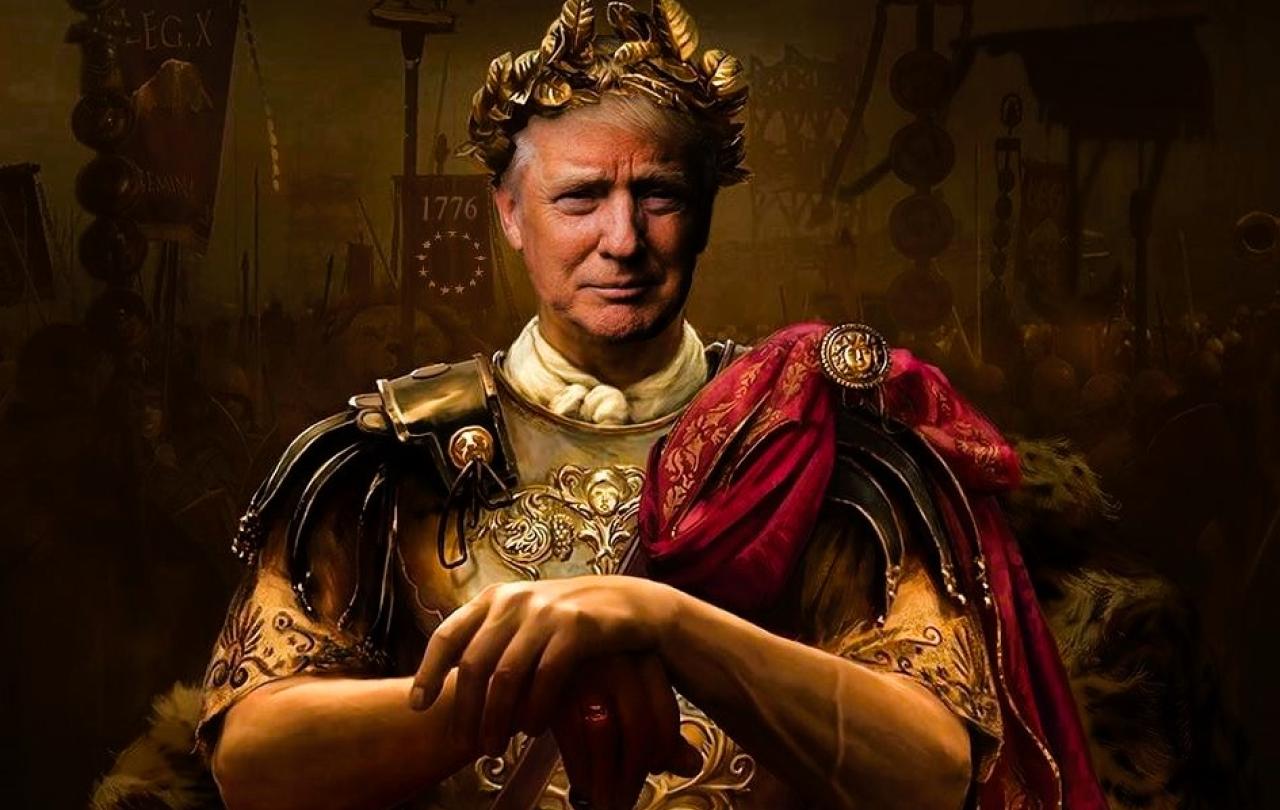
History shows that empires do not begin with strategy alone, they begin with symbolism. The first conquest is meant to send a message: power has shifted.
So in a purely hypothetical scenario where Donald Trump became an “Emperor of America,” the first target would not be chosen for geography or military necessity, but for narrative impact, media dominance, and political identity.
Three countries stand out.
1. Mexico: The Symbolic First Move
Mexico would be the most likely first target, not as a traditional invasion, but as a massive “security operation.”
Mexico has been central to Trump’s political story for years: borders, walls, sovereignty, and crime. Any action there could be framed as restoring order rather than conquering territory. Like Rome’s early campaigns against nearby rivals, this move would be about proving authority close to home.
This would be an invasion of optics more than land.
2. Iran: The Dramatic Rival
If Trump wanted a global spectacle, the focus would shift to Iran.
Iran represents a long-standing adversary and a rival power narrative. A conflict here would generate worldwide attention and be framed as strength versus defiance. Historically, this mirrors Rome’s wars with Persia, two empires testing legitimacy and dominance.
This would be the theatrical war: speeches, missiles, and history-book headlines.
3. China: The Economic War
Unlike the others, China would not be a military target but an economic one.
Trump has consistently treated China as a rival empire through trade wars, tariffs, and technology bans. This would be a slow “invasion” using markets and supply chains rather than troops, echoing Rome’s economic pressure on Carthage before open conflict.
This is empire by finance, not by force.
Outro
Trump’s first target would not be chosen by military doctrine but by narrative logic:
- Mexico for domestic symbolism
- Iran for global drama
- China for long-term rivalry
In this hypothetical empire, the first invasion would not be about conquest.
It would be about storytelling, showing the world that a new order had begun.
one down